
Leave Your Message
- Phone
- E-mail
- Skype
- Whatsapp
- Whatsapp

Progressive innovations in technology and rising consumer demand are bound to usher in dramatic change for the Arecoline Powder global marketplace, especially by 2025. Was Arecoline, a natural alkaloid extracted from Areca nut, gaining favor as a possible resource across industries for pharmaceuticals, food, or wellness products? A review of emerging trends in Arecoline Powder technology impacting the global buyer's future collaborates on innovations enhancing product quality and safety.
Xi'an Jintai Biotechnology Co., Ltd. adheres scrupulously to the highest standards in the manufacture of Arecoline Powder. Our system of quality control begins in the plant base, whereby we can purify and allow for efficacy of raw materials. Our total quality control system assures that we have finished products ridged with adequate standards above those set forth in the industry. With increasing demand for high-grade Arecoline Powder, we're paving the way with guarantees to meet the dynamic expectations of our international clientele.
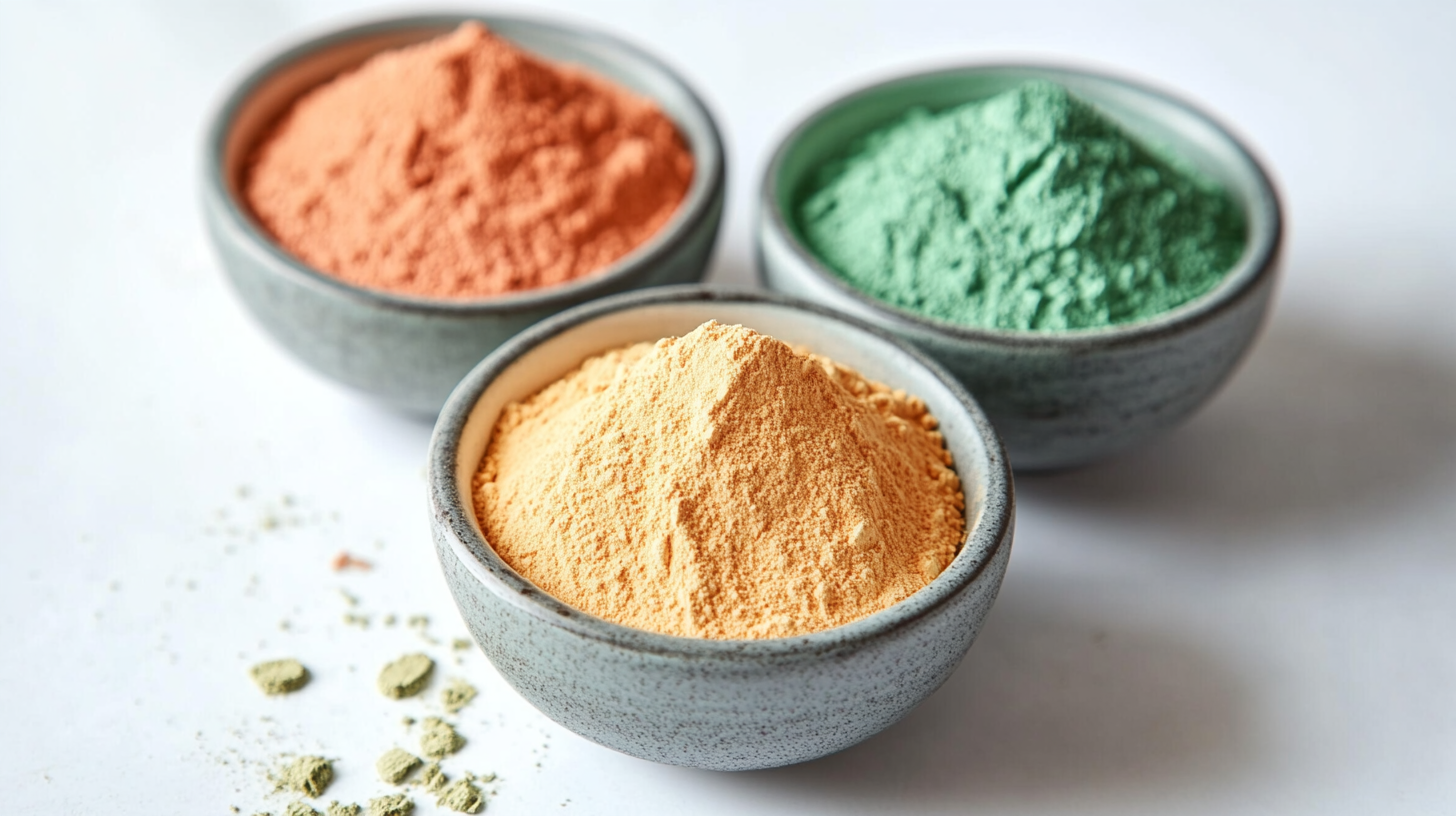
A arecoline powder comes under the limelight in the pharmaceutical and nutraceutical scenarios by virtue of unique properties and possible health benefits as the world moves toward 2025. Arecoline being an alkaloid from betel nuts differs in many traditional uses across cultures. However, with recent improvements in extraction and formulation technologies, applications are coming forth that create interest in a modern health-oriented audience. In pharmaceutical applications, it is an upcoming candidate with potential for innovative treatments. Studies show that arecoline has protection against neurodegeneration and may also be used for handling neurodegenerative diseases. By acting on acetylcholine receptors, there is potential for the development of new medications aiming at cognitive decline, and arecoline is very much in focus for bio-pharmaceutical companies with the aim of addressing the issues related to global aging. Conversely, a vigorous product push in nutraceuticals is taking place with arecoline powder-a dietary supplement, naturally offering positive properties. Formulations of arecoline-based dietary supplements are in capsules, powders, and functional foods that supposedly enhance cognitive function and result in wellness. With the rising trend of consumers seeking natural and plant-based ingredients, this is in perfect alignment with these trends, and arecoline powder constitutes an added advantage for health regimens and dietary practices. With these trends, global buyers should take note of the evolving aspects of arecoline powder technology, which would primarily bring forth the new way to innovate in existing formulations and respond to the emerging needs of health markets worldwide. Thus, arecoline's incorporation into a variety of products emphasizes its potency for redefinition toward health solutions in pharmaceutical and nutraceuticals.
Arecoline powder's market is set to undergo major growth expansion towards 2025. Demand for the product is rising due to more awareness of its health benefits and the potential applications in various industries. This understanding of market dynamics is essential as global buyers look to diversify their product offerings. Major drivers, respectively, would be growing consumer interest towards herbal products, research enhancement towards arecoline pharmacological properties, and the growing influence of alternative medicine.
Except for these trends, the major shift towards natural ingredients within the food and beverage agenda is another significant driving factor. By similar reasoning, growth in demand for Arecoline powder could be forecast by the increasing consumer acceptability of functional foods, evidenced in the markets of dragon fruit powder and corn powder. With an optimistic growth outlook to match projections of markets dealing in muscle recovery powders, competitors in this industry will probably invest in new production methodologies and quality-assurance processes to stay relevant.
The juxtaposition of sustainability and product development will mean differentiation in this evolving market. As clean-label products and transparency in sourcing become necessities for buyers, Arecoline powder suppliers must adapt to these new requirements. This growing movement can be viewed as one of several over-arching trends occurring with powdered products, signifying the need for alignment with values espoused by consumers with respect to health, sustainability, and quality.

In recent years, arecoline powder has gained some fame in its practical application for the pharmaceutical, cosmetic, and food industries. Processing technologies for the arecoline powder have witnessed rapid development, leading to improvements with regard to quality and stability. In its report by Market Research Future, it forecasted that the demand for arecoline powder at a global level would grow at a compound annual growth rate (CAGR) of 5.8% from 2022-2025, innovation in processing method being a key driver.
A key development in arecoline powder technology is the adoption of advanced extraction techniques such as supercritical fluid extraction (SFE). This method is said to enhance the extraction of arecoline but it also preserves bioactive compounds, which are fundamental for the effectiveness of the remaining powder. The International Journal of Food Science cites that SFE can enhance the extraction efficiency by as much as 90% as opposed to the conventional method, leaving the buyer with superior goods.
Further, encapsulation techniques are now changing the profile of arecoline powder in terms of its stability and shelf life. Encapsulation ensures protection of active ingredients from environmental conditions, thereby enhancing their stability during storage and transit. According to the findings by the Journal of Agricultural and Food Chemistry, encapsulated arecoline's stability was increased by 50% under several conditions of temperature and humidity. This becomes important for manufacturers aiming at the delivery of consistent quality to their customers.
These processing technologies are therefore aimed at sustaining demand and helping arecoline powder achieve the stringent quality standards anticipated by the buyers in the year 2025. The market, therefore, seems to be at the very verge of revolutionizing through application of these technologies as manufacturers raise the bar for quality and reliability.
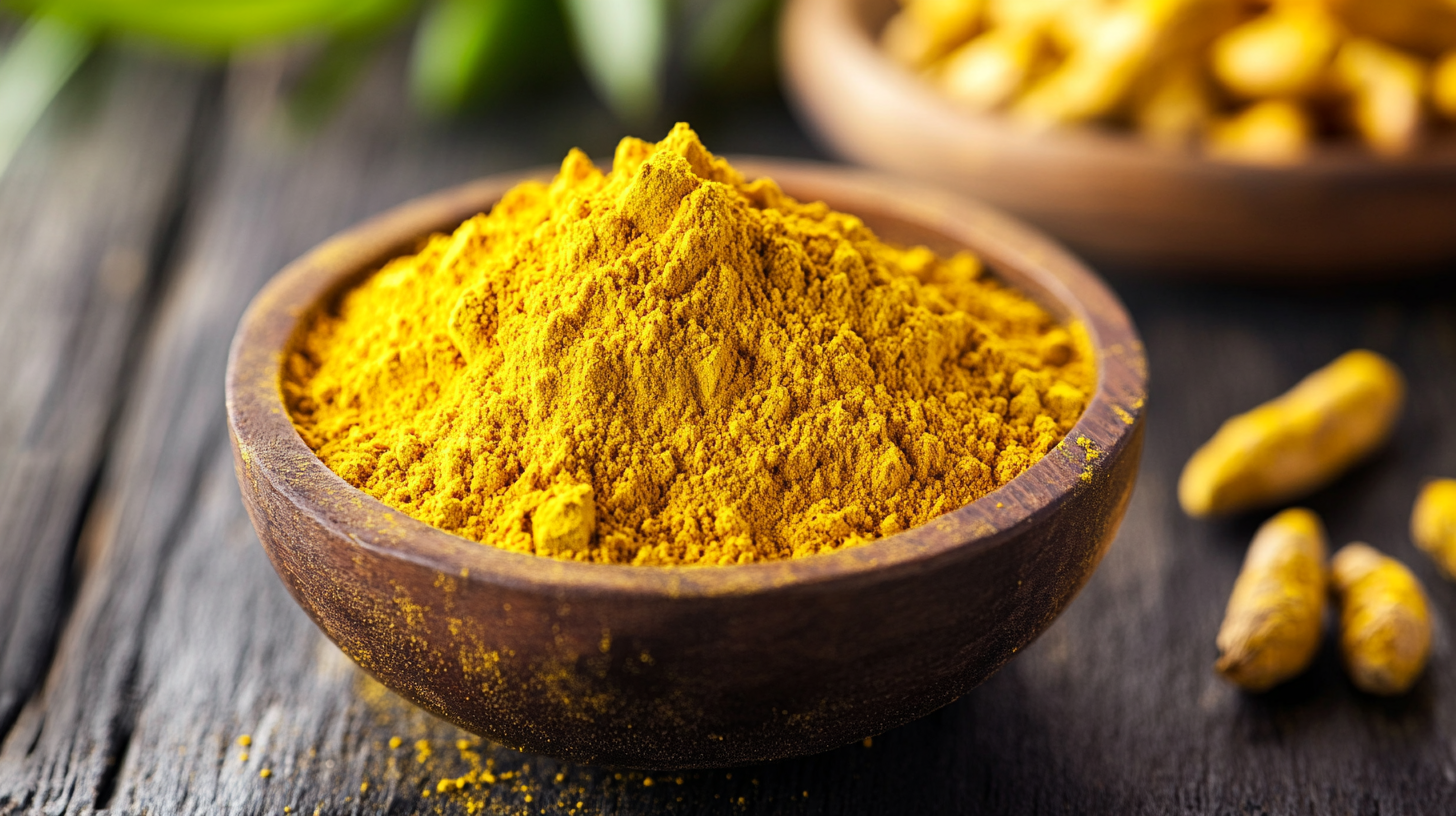
With the increasing demand for arecoline powder globally, the sustenance factor is getting highlighted more in the production methods. Recent developments in eco-friendly technological processes reveal an eminent inclination towards greener practices in the extraction of bioactive compounds from areca nut (Areca catechu L.). The traditional extraction processes used for the majorly bioactive compound of areca nut often depend on toxic solvents and longer procedures, which in turn harm the environment. Newer methods are now being devised that not only conserve resources but also promote the efficient extraction of important bioactive agents.
Such advances include rapid green analytical methods introduced for the simultaneous monitoring of toxic alkaloids present in areca nut. In methods therefore considered, in-syringe-assisted extraction has been coupled with ultra-high performance liquid chromatography-mass spectometry (UHPLC-MS/MS) to ensure the reliability of testing, and significantly reduce chemical waste generation. Transition towards such a technology does, hence, fulfill sustainability concerns while also acting upon public health.
Adopting these sustainable modes of production shall satisfy the calls for conscientious consumers all across the globe by 2025 and engender more responsibility within the industry. As environmental concern indexes are rising rapidly, we can see a promising future for arecoline powder technology to set high standards for other sectors to follow in minimizing environmental impacts while maximizing the efficacy of bioactive compounds.
The evolving global market for arecoline powder technology is gradually making compliance with regulatory frameworks a thornier issue for producers and distributors. The year 2025 will witness changing trends, which would require industry players to continuously adjust their compliance landscape. Such trends emerge mainly due to an increased emphasis for safety and efficacy of the consumer product that necessitate elaborate documentation and compliance to higher stringent requirements.
Compliance hurdles, in quality, include the following: sourcing of constituents, practices for manufacturing, and labeling requirements. Given this landscape, the most phenomenal consequences of regulatory compliance will be borne in the future, especially since the global dietary supplements market is expected to proliferate, reaching USD 357,593.1 million by 2033. Companies engaged in the arecoline realm should understand existing local and international laws but should foresee future changes that could be instituted due to shifts in consumer preference and health trends.
Moreover, with increasing pressures on supply chains for greater transparency and traceability, it will be incumbent on manufacturers of arecoline powder products to implement much more stringent quality assurance mechanisms. Such steps not only assure consumers of product quality; they also present a strong competitive advantage in a fast-growing market. These challenges have the potential to be both a threat and an opportunity for suppliers of arecoline powder-as they try to succeed in the global market for dietary supplements.
The increasing impetus on arecoline products marks the most significant upheaval in consumer preferences since the market began to respond to health and wellness trends. Consumers are more and more attracted to products of natural origin, kindling an interest in arecoline-the alkaloid obtained from the betel nut, which is believed to possess both stimulating and therapeutic properties. Such an advanced phase of awareness helps to enhance the arecoline powder market and the communication pattern between brands and consumers.
A trend that manifests among skincare consumers during important shopping occasions like Double Eleven is the skyrocketing demand for clean, fair trade products at a time when prices are dropping. Shoppers are becoming selective and favor brands that responsibly source their ingredients and disclose the environmental impacts. To accommodate this evolving consumer behavior, brands must prioritize their innovation efforts on product formulation while acting ethically. Brands that line up their offerings with an increasing consumer demand for health-based and sustainably sourced products will prosper in this highly competitive environment.
The same trend is being noted in several related areas, for example, in the automotive sector. Advanced technology in cars makes them attractive and useful to the younger generation, who equally value connectivity and safety. These shifting preferences must be picked up by the brands wanting to stay relevant, as innovations must meet the expectations of an evolving tech-savvy consumer. Come 2025, various sectors across markets will have to go through a transitory phase enabling them to take advantage of newly forthcoming opportunities.
The trends which will shape arecoline powder for the year 2025 are heavily dictated by cross-industry collaborations stimulating innovation and market development. Brand diversification through partnerships between food technology, pharmaceuticals, and wellness has gained traction as a trend. These collaborations are driven by the very properties of arecoline powder that are sought for health benefits in formulation applications.
Joint efforts are hence becoming one of the strongest propellers for innovation and the development of arecoline-based products that are in sync with the changing tastes and preferences of consumers all over the world. Uses of arecoline are being diversified into nutritional supplements, functional foods, and beauty products to give a more holistic approach to its applications. This is becoming a trend that is being echoed in other markets for powder systems, such as cheese and hemp protein powders, which have made cross-industry moves while catering to consumer needs for flexibility and health-oriented solutions.
Investment in R&D is likely to increase from companies in the arecoline powder market since this development presents an emerging opportunity. The alliance will not only be a source for innovation but also for moving into newer markets. This interactivity will reshape the arecoline powder industry landscape just like it has for cheese and hemp protein powders, thereby benefiting global buyers seeking quality and diverse offerings by 2025.
The global demand for Arecoline powder is expected to grow at a compound annual growth rate (CAGR) of 5.8% from 2022 to 2025.
Key drivers include increased consumer interest in herbal products, enhanced research on Arecoline's pharmacological properties, and a general shift towards natural ingredients in the food and beverage sector.
Processing technologies have significantly advanced, particularly through the integration of advanced extraction techniques like supercritical fluid extraction (SFE), which improves yield and preserves bioactive compounds.
Encapsulation technologies enhance the stability and shelf life of Arecoline powder by protecting active ingredients from environmental factors, resulting in a 50% increase in stability under varying conditions.
There is a rising awareness and preference for natural and sustainable products, with consumers favoring high-quality offerings from brands that are transparent about ingredient sourcing and environmental impact.
Brands should prioritize innovation in product formulation and emphasize ethical practices to align with consumers’ growing preference for health-conscious and sustainably sourced products.
As buyers increasingly seek clean-label products and transparency, Arecoline powder producers must adapt to meet these expectations to maintain competitiveness in the market.
Yes, the growth projections for Arecoline powder are akin to those seen in other segments like dragon fruit powder and muscle recovery powders, indicating a trend towards functional foods.
The market is expected to undergo a transformation as manufacturers adopt innovative processing techniques, setting new benchmarks for quality and reliability in Arecoline powder production.
The overall shift towards natural ingredients is playing a significant role in driving demand, reflecting broader trends across various powdered products that prioritize health, sustainability, and quality.