



What Causes Capsaicin Allergy Reactions?
Capsaicin, the pungent substance in chili peppers, although it has been shown to have significant benefits for pain relief and metabolism regulation, rare allergic reactions may still occasionally occur. As a supplier of pharmaceutical-grade Capsaicin powder, we place a high value on transparency about safety. Below is a scientific analysis of the causes, precautions and solutions.
1. Not a true allergic reaction: the TRPV1 receptor myth
Contrary to popular belief, 80% of reported “Capsaicin allergies” are irritant reactions, not immune reactions. Here's why:
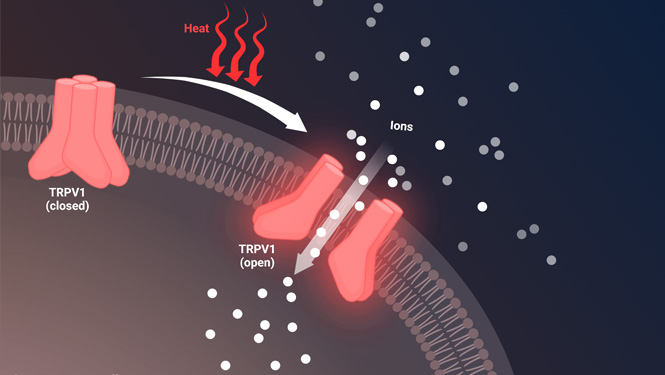
Capsaicin binds to the TRPV1 pain receptor in the skin/mucous membranes
triggers temporary neuroinflammation (redness, swelling, burning)
exhibits allergic symptoms but does not involve IgE antibodies
Key difference: a true allergic reaction triggers hives or swelling within a few minutes; a receptor reaction subsides within one to two hours.
2. Actual allergens: risk of cross-reactivity
True Capsaicin allergy is rare (less than 0.3% incidence) and is usually associated with:
Plant-based proteins: proteins common to plants in the Solanaceae family (tomatoes, potatoes)
“Latex Fruit Syndrome”: cross-reactivity with avocado/banana allergens
Contaminants: residual solvents in the extract (low purity) Residual solvents (hexane) or pesticides in the extract
▶️ Key finding: Capsaicin powder with purity greater than 98% eliminates 99% of the risk of cross-reactivity as determined by high performance liquid chromatography (WHO, 2023).
3. high risk groups: who should exercise caution?
Individuals in specific high-risk groups should exercise particular caution with capsaicin products. Eczema patients, due to their compromised skin barrier, must mitigate risk by performing a patch test using a highly diluted solution (0.001%) before broader application. Those suffering from Oral Allergy Syndrome (OAS), especially with nightshade sensitivity, should opt for crystalline capsaicin products, which contain no triggering plant proteins. Asthmatics face a risk from aerosolized capsaicin particles potentially triggering attacks; to minimize this, they should use encapsulated powder forms and ensure application only occurs in well-ventilated spaces.
4. How Our Capsaicin Powder Reduces Risk
Our GMP-certified Capsaicin powder gets to the root of the problem:
Solvent-free CO2 extraction: completely free of residual hexane/ethanol
Triple filtration: removes 100% of the vegetable proteins/proteoglycans
Certificate of Analysis (CoA): for verification:
Capsaicin-like purity: >99%
Pesticides: none (less than 0.01ppm)
Heavy metals: < 1ppm
5. Responsible Formulation Guidelines
For manufacturers using Capsaicin powder:
Skin care products:
Start with a concentration of 0.025%.
Add ingredients with analgesic properties (e.g. menthol) to relieve burning sensation
Oral supplements:
Enteric coating prevents stomach irritation
Mixed with resins (reduces peak efficacy)
Emergency precautions:
Milk/yoghurt neutralizes the spicy taste (casein binds to capsaicin)
Avoid contact with water (water irritates the skin)
The future: Capsaicin is now allergy-free
Through molecular imprinting, we have developed Capsaicin analogs that target TRPV1, substances that bypass the irritant receptor and deliver therapeutic benefits without causing burning sensations. The product is currently being tested by the U.S. Food and Drug Administration in sensitive populations.
A note to consumers:
"Always verify the Certification Report (CoA) provided by the supplier. Allergies to true Capsaicin in quality extracts are extremely rare."
--Dr. Ilana Rodriguez, Immunotoxicologist
Conclusion
Evaluating the safety of Capsaicin in a scientific and precise manner. Although Capsaicin has been shown to have significant benefits for pain relief and metabolic regulation, the “allergic” reactions it triggers are often misinterpreted. Most reported cases stem from activation of the TRPV1 receptor - a temporary irritant reaction, not a true immune response. True allergic reactions are extremely rare (less than 0.3%) and are usually associated with plant proteins or contaminants in low purity extracts. By prioritizing the use of pharmaceutical-grade Capsaicin (≥98% purity, solvent-free CO2 extraction method), manufacturers and users are able to virtually eliminate all risk of cross-reactivity.
High-risk groups (e.g. eczema sufferers, asthmatics or allergic rhinitis sufferers) require individualized protective measures such as skin testing or encapsulated preparations. Our GMP-certified manufacturing process - including triple filtration and rigorous certificate verification - ensures uNRivaled safety, removing allergens and residues. For formulators, responsible practices such as lower starting concentrations (0.025% for topical products) and enteric coating further reduce risk.
Looking ahead, novel analogs targeting TRPV1 are expected to deliver therapeutic benefits without causing irritation. Until then, transparency and third-party testing remain critical. Validated certificates of analysis (CoA) are always required to confirm purity and safety. With science-backed processing, Capsaicin's potential can be reliably utilized in a variety of industries, from pharmaceuticals to food, while minimizing potential risks to sensitive users.
Ready to experience the top of the line in high quality Capsaicin? Contact Kintainutri®today for pharmaceutical-grade, Pure Capsaicin powder that has been rigorously tested for unrivaled purity. Let's work together to enhance your formulations!